The Six Day Race: The Story of Marshall “Major” Taylor
A great on-ramp if you’re new to him. You get the speed, the spectacle, and the reality of what it cost to be that good in that time.
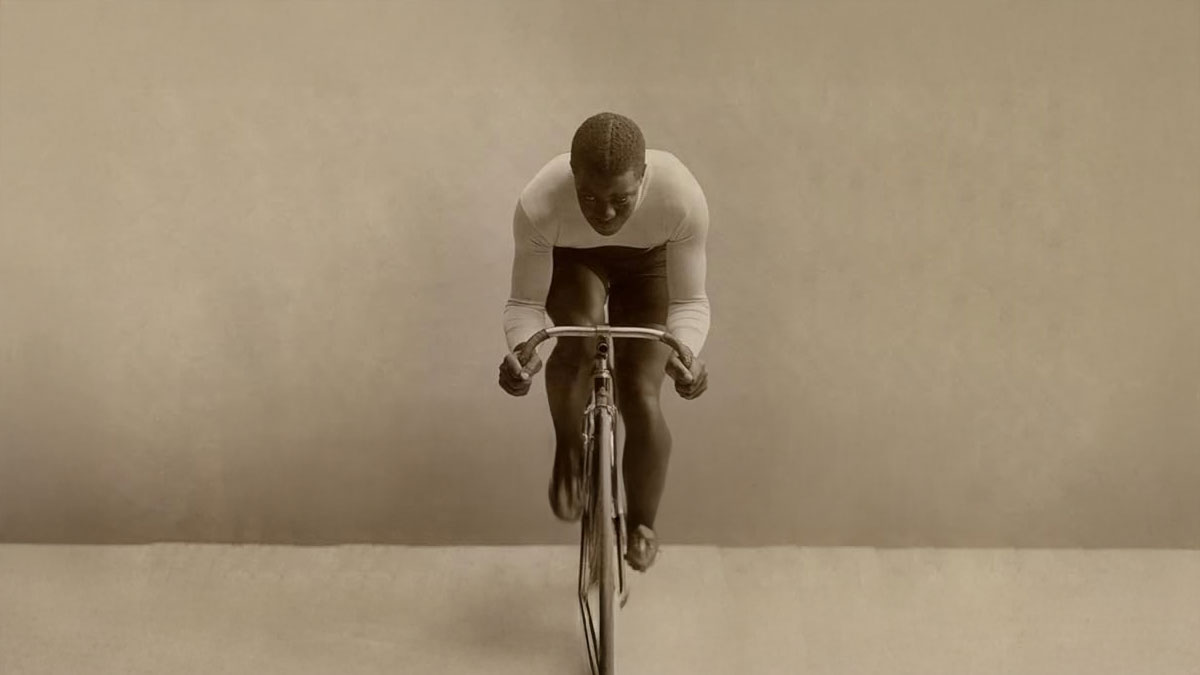
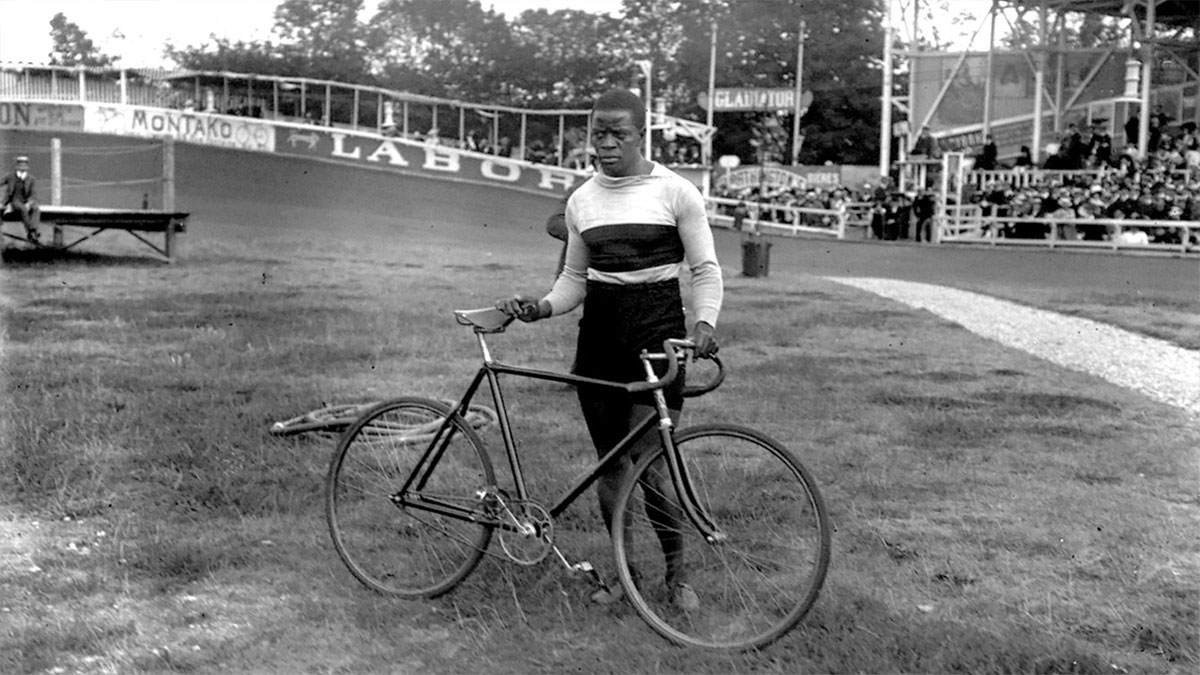
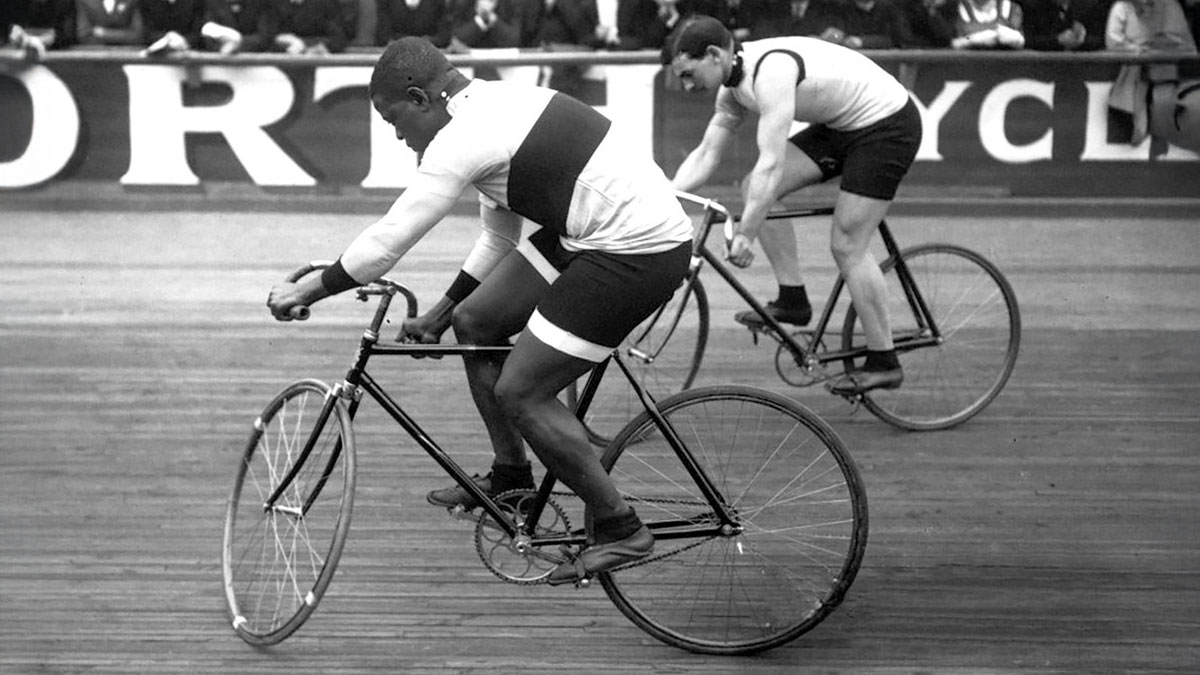
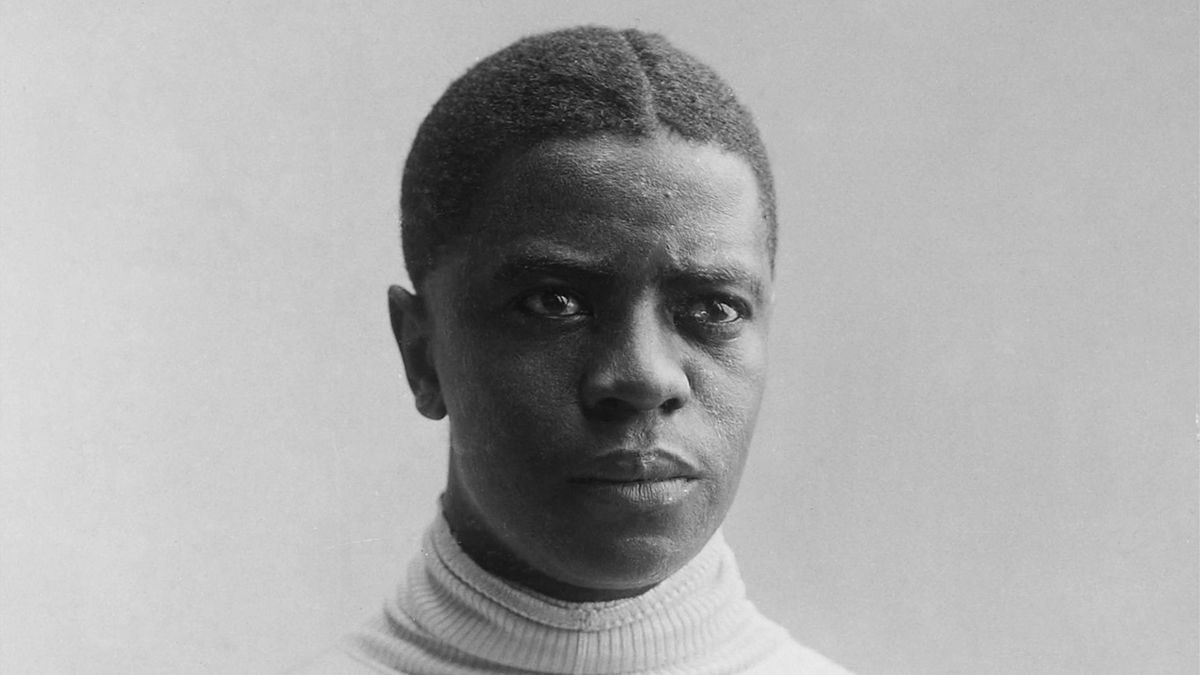
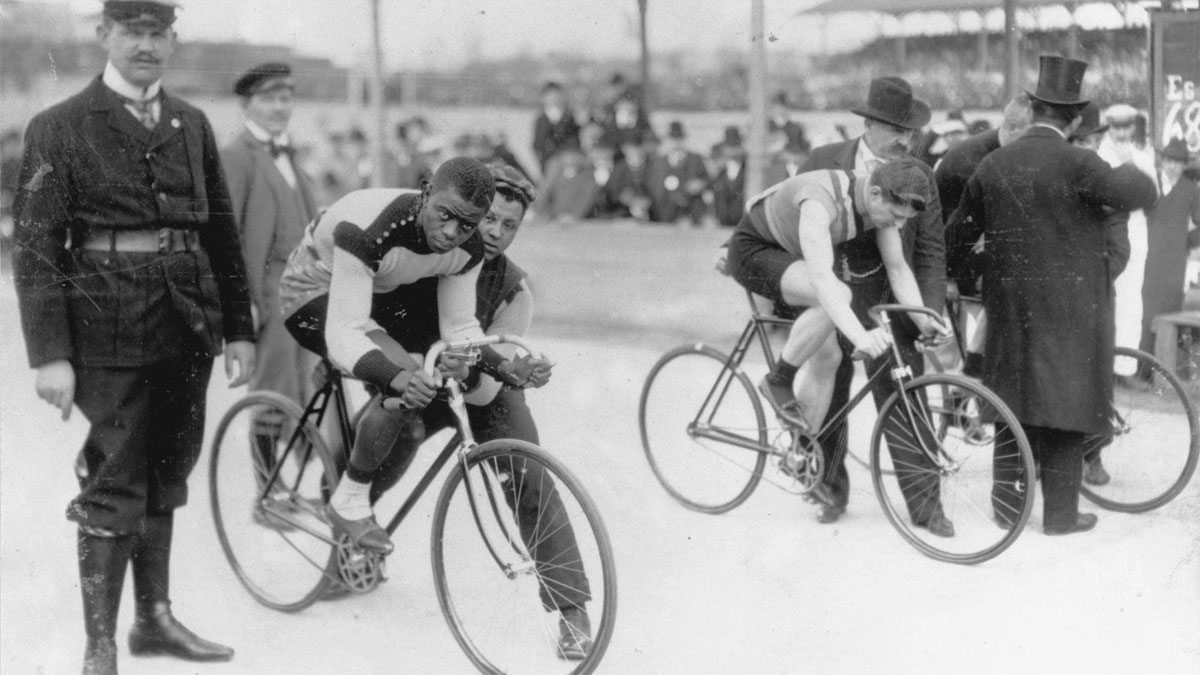
Major Taylor (born in Indianapolis in 1878) became a global cycling superstar in the middle of the Jim Crow era — when simply being allowed to compete wasn’t guaranteed, let alone winning.
A great on-ramp if you’re new to him. You get the speed, the spectacle, and the reality of what it cost to be that good in that time.
This PBS documentry leans into the bigger picture — how a cyclist became a symbol, and why his career still matters to anyone who cares about sport, courage, or dignity.
Some of you may remember this great ad - it debuted during the Super Bowl in 2019. A modern nod to an old truth: some stories don’t age out — they get louder. Quick, stylish, and a reminder that his legacy is bigger than cycling.
A few links that connect the dots — from Indy to the track, to today’s riders and culture.
I lived and rode/raced in Indianapolis for several years, and I spent time racing at the Major Taylor Velodrome. I’ve also trained and raced with Nelson Vails and Reggie Miller. That’s part of why Major Taylor’s story feels so close — it’s not abstract. His fingerprints are all over the cycling culture that shaped me.
Major Taylor wasn’t just “good for his era.” He was great, full stop — and he did it while carrying the weight of things most athletes never have to think about.